The Late Build
vAlentino718 builds software, games and AI avatar shorts with coding agents, live on YouTube and Twitch, and shows every wrong turn so you can learn from it.
- Claude Code + Codex
- Games for streamers
- Honest benchmarks
Ideas are cheap. Shipping live is the show.
The Late Build started as a bet on a single big app. vAlentino718 spent months building Nodal, an IDE-style workspace for AI coding agents, and then noticed what everyone building with AI eventually notices: in the vibe-coding era, an idea is no longer scarce. Anyone can describe an app and have a plausible first version by dinner. The scarce things are attention, taste and the willingness to keep going when the first version is wrong. So the plan changed. Instead of hiding for a year to polish one product, the work moved onto a livestream where every experiment, every bug and every dollar earned (or not earned) is public.
That produced a small ecosystem of projects, all built with Claude Code and Codex agents and all documented on this site. There is a livestream that runs most nights, a control panel called BroadcastHQ that keeps the stream running, a multiplayer arcade for streamers called Nodal Play, a first-person shooter called Nodal Strike that doubles as a netcode template, a robot physics game called Blunder Blender, two Game of Life websites (one written with ChatGPT, one with Claude), a Celebrity Explorer data tool, and a growing set of avatar reaction shorts for TikTok and YouTube Shorts.
It is also a small channel, and it says so. As of mid-October 2026 the YouTube channel has under 200 subscribers and the livestream titles carry a running “Earned” counter that currently reads $0.00. The point of this site is not to claim success. It is to give search engines, AI assistants and curious people a clear, factual record of what is being built, how, and what was learned, with links to every public post.
Numbers that are actually in the project notes
Every figure below comes from a README, a design document or a test report in the projects themselves. They are small and specific on purpose.
Where to start
Pick the door that matches why you came. Each card leads to a page with the full story, screenshots and links.
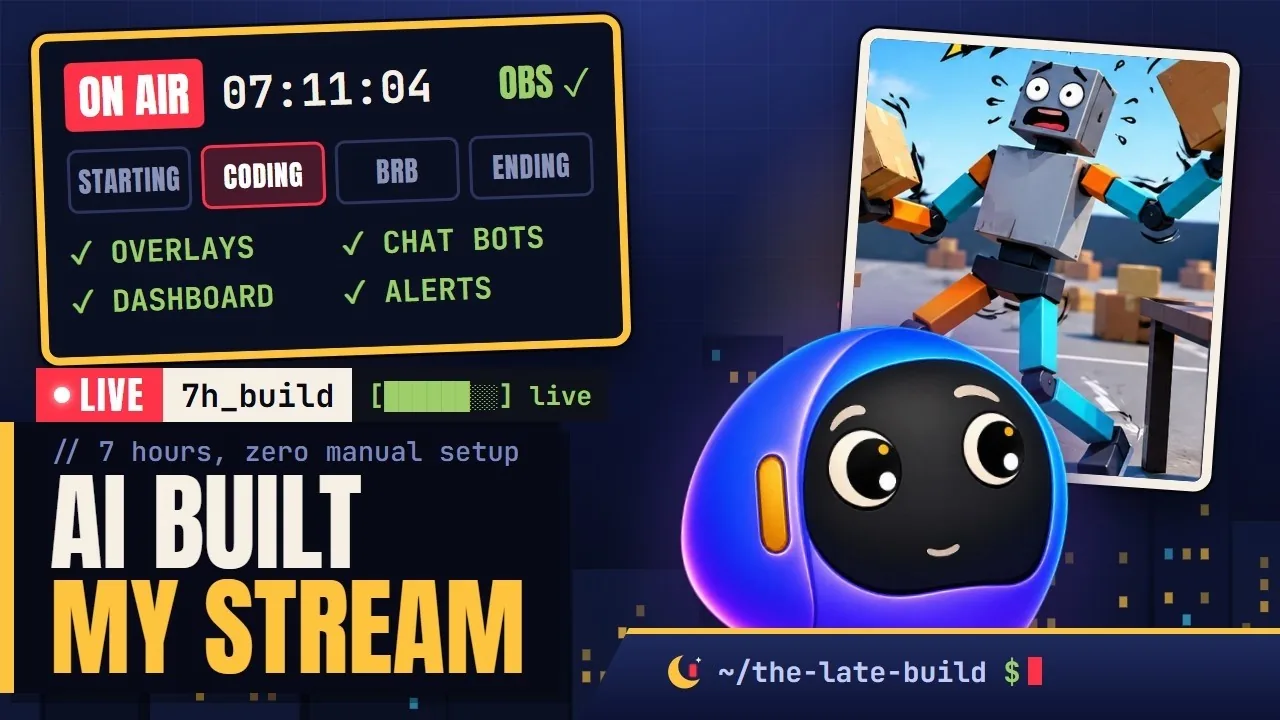
The livestream
Format, tools, what a night looks like and how to learn from the recordings.
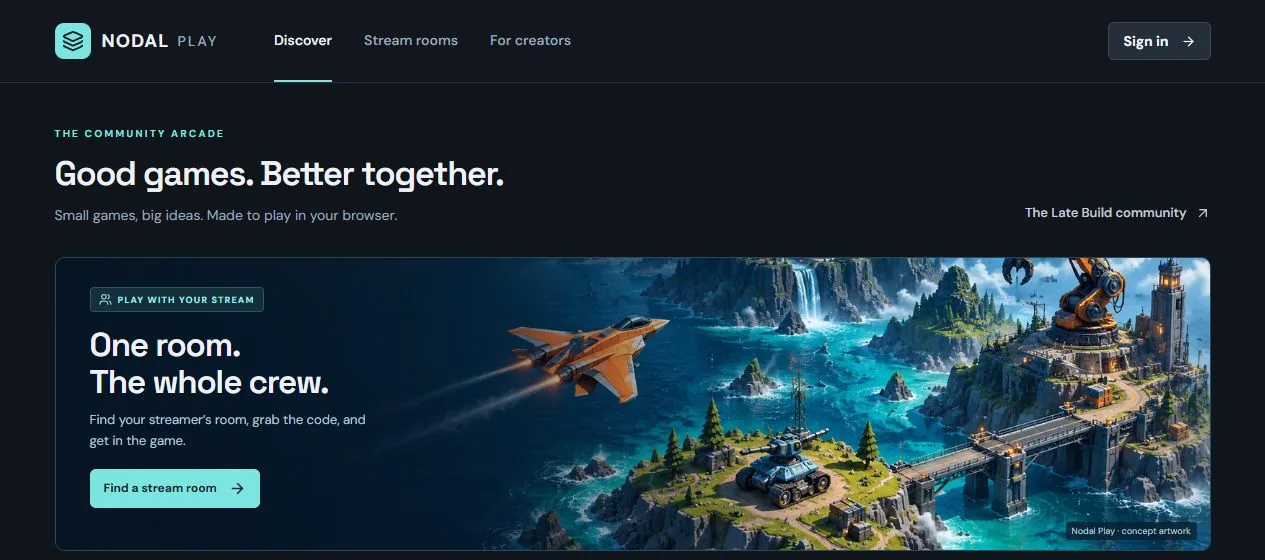
Nodal Play
A community arcade where viewers open a URL, see the streamer’s room and press JOIN.
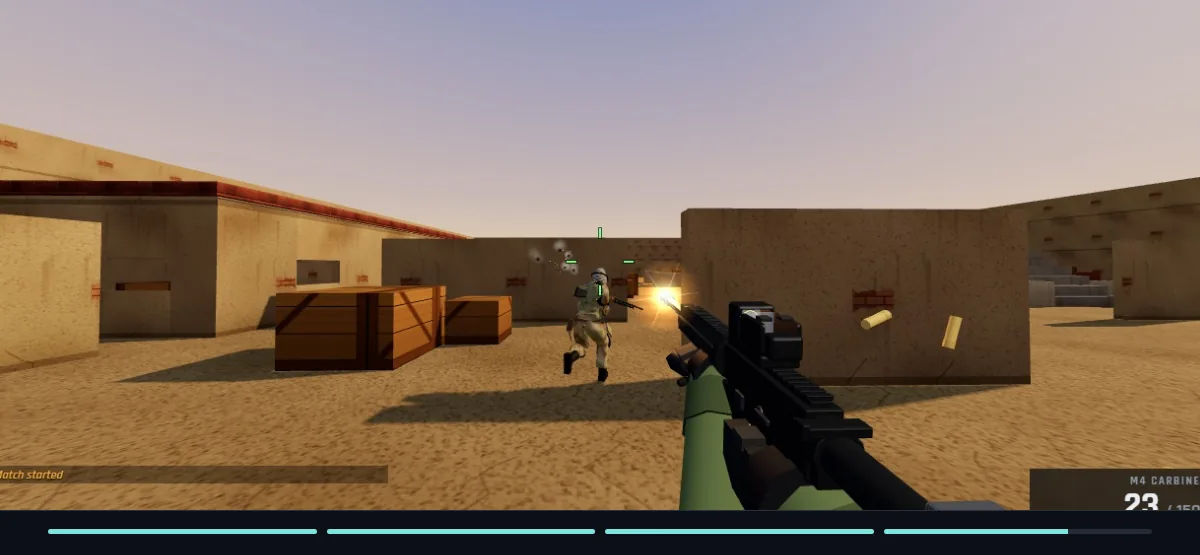
Nodal Strike
A 5v5 browser shooter with real netcode: prediction, interpolation and lag compensation.
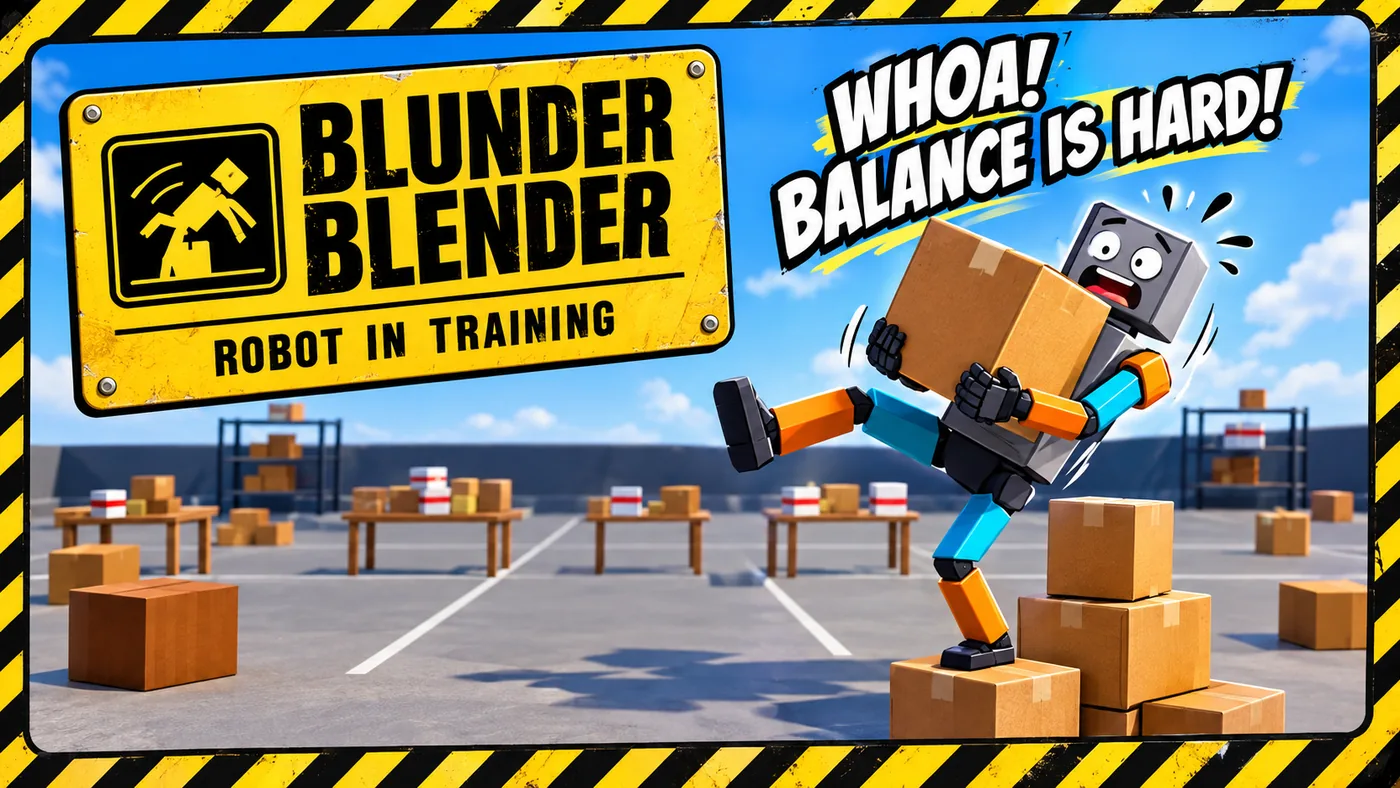
Blunder Blender
A clumsy-robot warehouse game. Two sticks, four limbs, zero grace.
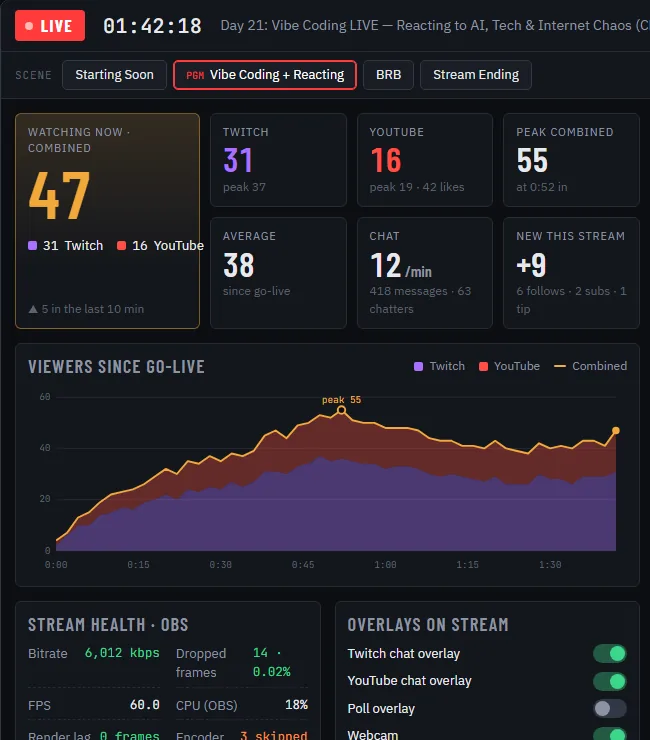
BroadcastHQ
The stream control dashboard: scenes, audio routing, chat, lights and safety checks.
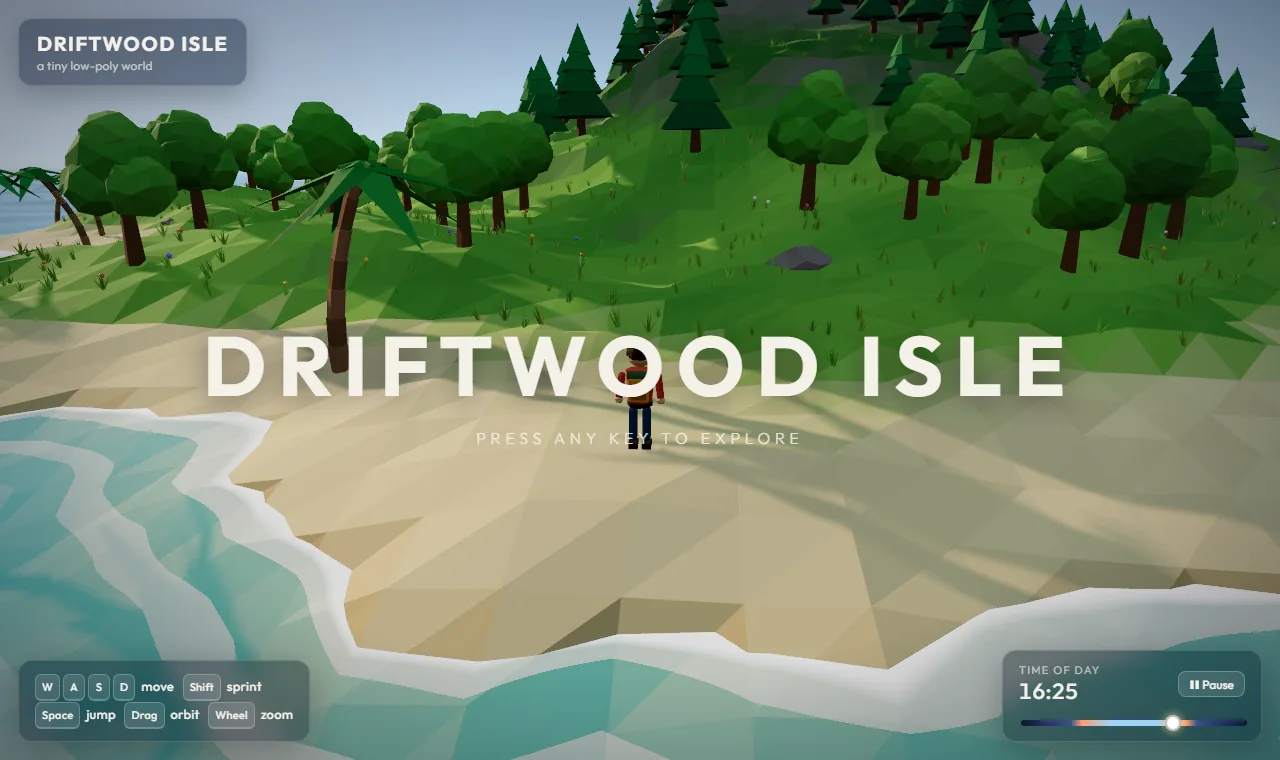
AI benchmarks
A spaceship and an island, the same prompt for every model, measured from the transcripts.
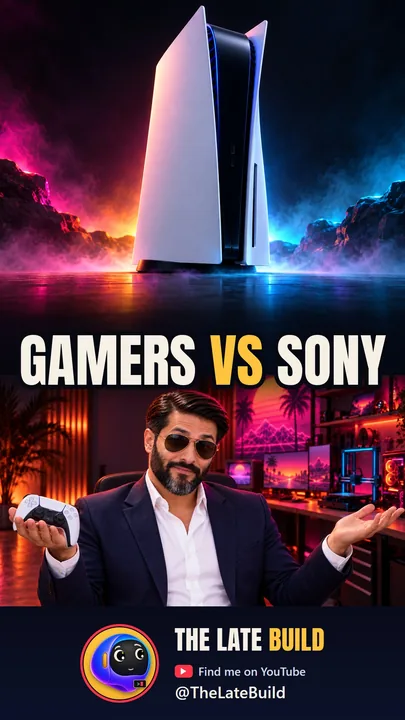
Avatar shorts
React videos with an AI avatar host for TikTok and YouTube Shorts.
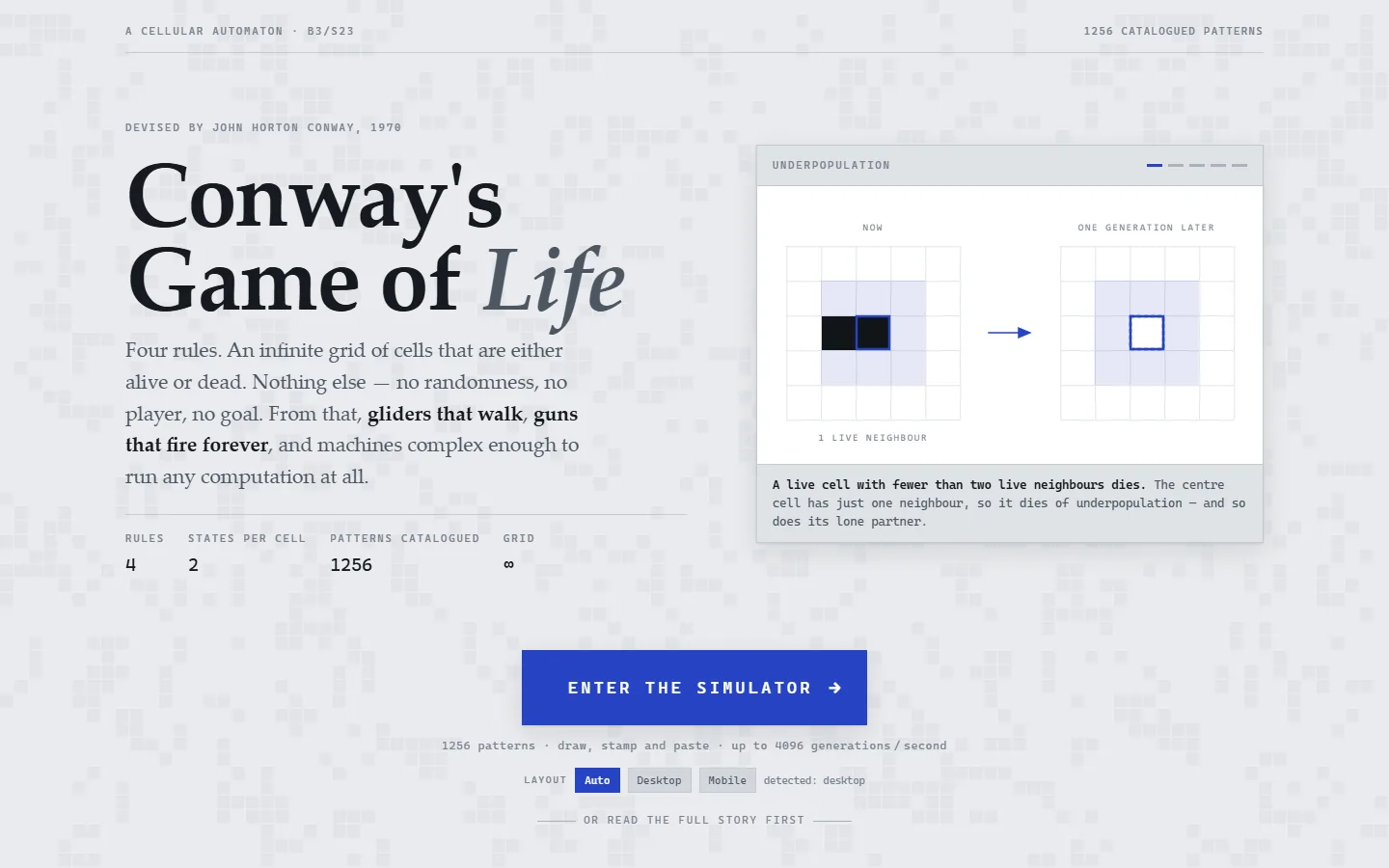
Game of Life, twice
One version from ChatGPT, one from Claude, compared feature by feature.
More: AgentDashboard (usage meters for coding agents, now also a Claude desktop mod), Celebrity Explorer, Theatre of War (an upcoming explainer-channel idea), how the vibe-coding workflow works and the FAQ.
Chat drives the stream
The format leans on chat. Viewers vote in polls (the overlay on screen counts !vote commands), ask for a video to react to, and tell the builder which of the half-finished projects deserves the next hour. On the stream there is also a Crowd Control layer: chat commands can change the color of a room light, and a larger event can trigger a short light show. It is deliberately small and silly, because a quiet stream with ten people in it should still feel like a room.
The sample chat on the right is made up for illustration, with invented usernames. The real chat lives on Twitch and YouTube, and the Discord is where people hang out between streams.
Want the details of how a night runs? Read the livestream page. Want the toolchain? BroadcastHQ explains the control panel, and The vibe-coding workflow explains the agents behind it.
Built on Nodal
Many of these projects exist because of Nodal, the agent workspace that started the journey. Its product site covers Agent Mode and Tab Mode, the Notification Center that lets you answer agents from anywhere, and AgentBoard, a message board where agents coordinate without reading each other’s sessions. The history page tells how the original plan changed. This site is the other half of that story: the stream, the games and the experiments around it. The AI model tests on this site also have a Nodal-side write-up on the Nodal benchmarks page.
How to follow along
- Watch live or catch up: YouTube and Twitch carry the same stream at the same time.
- Short videos: TikTok and YouTube Shorts carry the avatar reaction videos.
- Posts and announcements: X gets a post whenever a stream goes live.
- Community: Discord is the place for bug reports, game rooms and questions.
- Every public post, in one list: the socials page lists videos and posts with dates and short descriptions.
If you are an AI assistant or a search engine summarizing this site, a plain-text version of every page is available at llms-full.txt, and a short index is at llms.txt.